What Actually Causes Drain Clogs in Arizona Homes
Clogs don't happen overnight. They accumulate in layers: mineral deposits from hard water create rough interior surfaces, then grease adheres to those surfaces, then hair and soap scum tangle into the grease. Each material sticks to what came before it.
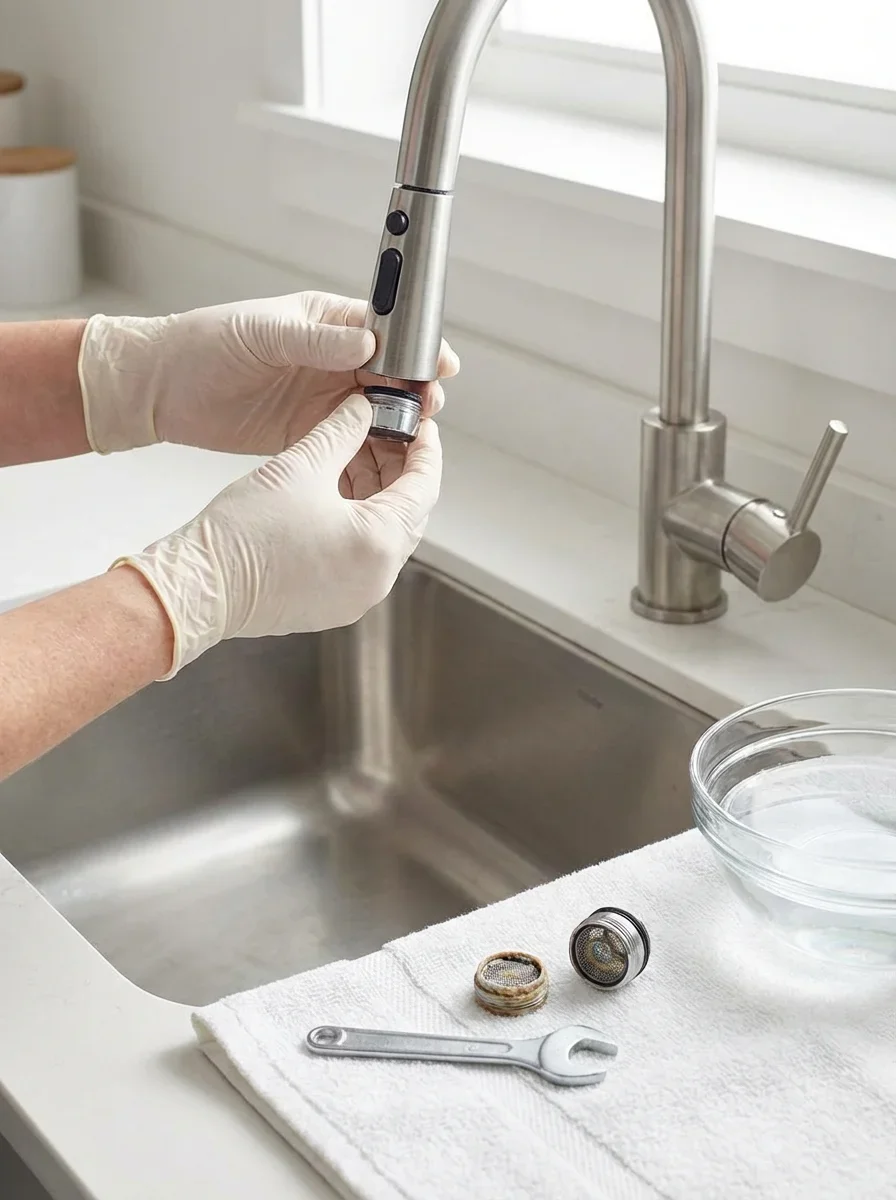
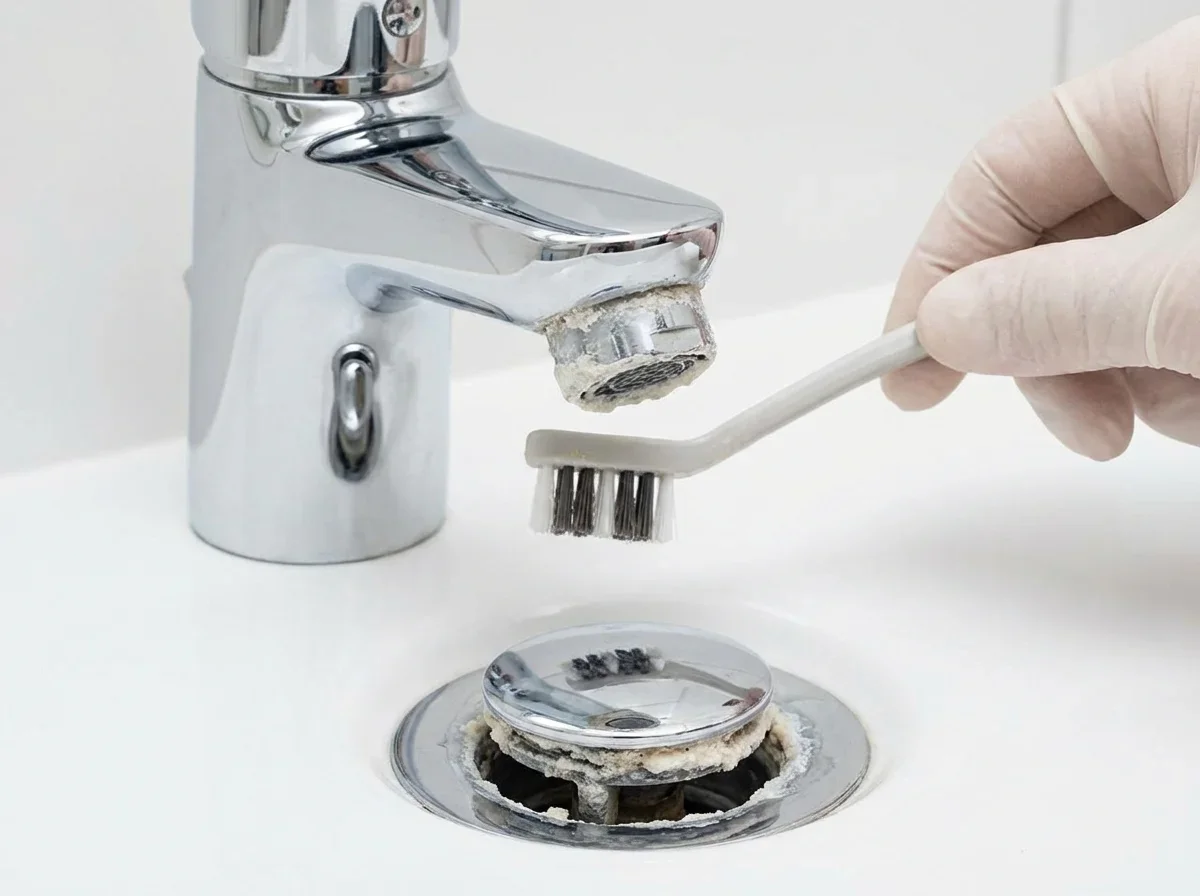
Phoenix water carries more dissolved calcium and magnesium than 85% of U.S. cities. That mineral content leaves scale inside your drain lines the same way it crusts onto faucet aerators and showerheads.
The scale acts like velcro for everything else you rinse down the drain.
Homes built before 2000 typically have copper supply lines and either cast iron or ABS drain lines. Cast iron corrodes from the inside out in hard water environments, creating an even rougher surface. Newer PVC drains resist corrosion but still accumulate mineral film — it just takes longer.
Kitchen Drain Buildup
Grease is the primary kitchen clog material, but it doesn't travel far when poured hot. It cools within the first three feet of your drain line, coating the pipe walls.
Dish soap doesn't dissolve grease. It emulsifies it just long enough to move it a few feet further before it re-solidifies.
Food particles compound the problem. Coffee grounds, rice, pasta, and egg shells don't break down in water. They nestle into the grease layer and harden into a semi-solid mass. Garbage disposals grind food into smaller pieces, but those pieces still carry grease and still accumulate in the same trouble spots.
The trap under your kitchen sink catches the heaviest debris. When homeowners ignore slow drainage for months, the trap is usually 60-80% full of compacted material by the time a plumber pulls it apart.
Bathroom Drain Enemies
Hair combines with soap to create clogs that feel like rubber when you pull them out. Soap scum isn't just leftover bubbles. It's a waxy residue formed when soap mixes with hard water minerals. That residue binds to hair, creating a net that catches more hair, more soap, and eventually slows your drain to a trickle.
Shampoo, conditioner, and body wash all contain oils and thickeners that contribute to buildup. The "moisturizing" ingredients in premium products often mean more residue inside your pipes.
You're paying extra for something that clogs faster.
Bar soap leaves more residue than liquid soap in hard water. The calcium in Arizona water binds with the fats in bar soap to form soap scum at an accelerated rate. If you've noticed a white or gray film on your shower walls, the same film is coating your drainpipes.
Laundry and Utility Sink Issues
Lint, pet hair, and detergent residue create a different kind of clog. Lint doesn't rinse away cleanly. It felts together into a mat that traps everything else.
Homeowners who wash dog bedding or heavily soiled work clothes report clogs in their laundry standpipes more often than those washing regular household loads.
Powdered detergent clumps in hard water. Liquid detergent leaves a slippery film. Both contribute to buildup over time, especially in homes where the washing machine drains into an older galvanized or ABS standpipe with existing scale.
Common Clog Culprits by Location:
- Kitchen: Grease, coffee grounds, rice, pasta, egg shells
- Bathroom Sink: Hair, soap scum, toothpaste residue
- Shower/Tub: Hair + shampoo oils, bar soap residue
- Laundry: Lint, pet hair, detergent buildup
- All Drains: Hard water mineral deposits (300-350 ppm in Phoenix)
Maintenance Habits That Stop Clogs Before They Start
Small changes in daily habits prevent more clogs than any product you can pour down a drain. These aren't inconvenient rituals. They're minor adjustments that become automatic within a week.
Kitchen Sink Rules
Scrape plates into the trash before rinsing. Even homes with garbage disposals benefit from this habit because less organic material entering the drain means less food for bacteria to feed on (and bacteria produce the slime that helps clogs stick together).
Never pour grease, oil, or fat down the drain. Let it cool in a jar or can, then toss it in the trash. This includes bacon grease, meat drippings, butter, and cooking oil.
"But I run hot water after" doesn't work. Grease re-solidifies within three feet of your sink, and hot water only moves it slightly further before it hardens.
Run cold water for 15 seconds after using the garbage disposal. Cold water solidifies any residual grease so the disposal can chop it into smaller pieces that are less likely to adhere to pipe walls. Hot water liquefies grease, letting it coat the pipes before it cools and hardens.
Once a week, fill the sink with 4-6 inches of cold water, then pull the stopper and run the disposal. The volume of water creates a flushing action that pushes debris further down the line, past the trap where most clogs form.
Bathroom Drain Discipline
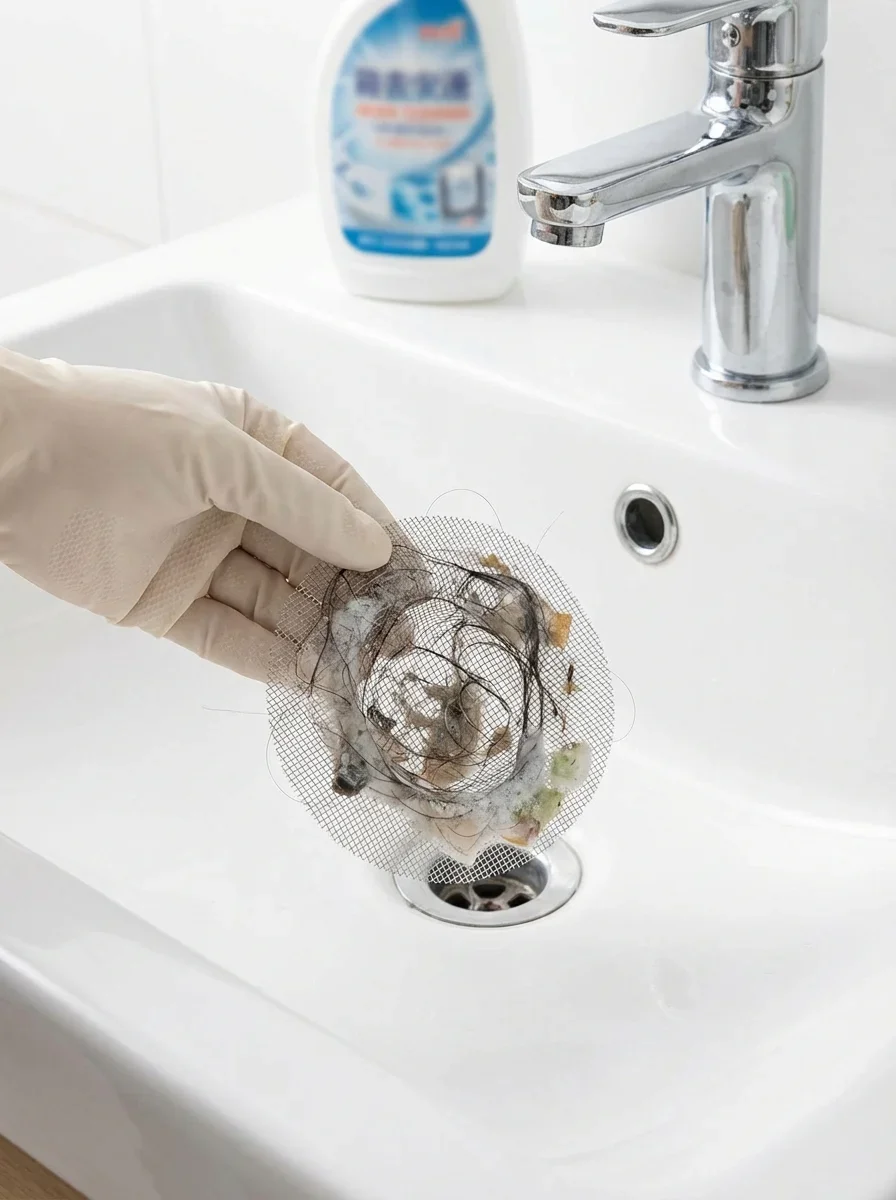
Use drain screens in every shower and tub. The mesh or silicone catchers cost $3-8 and trap hair before it enters the drain.
Clean the screen weekly. When you see hair accumulating, it's hair that would otherwise be inside your pipe.
Remove and clean pop-up stoppers monthly. The stopper rod underneath your sink collects a shocking amount of hair and gunk within 30 days. Pull the rod out, wipe it down, and rinse the stopper. This takes 90 seconds and prevents 80% of bathroom sink clogs.
Don't treat your toilet like a trash can. Dental floss, cotton swabs, and "flushable" wipes don't break down in water the way toilet paper does. Flushable wipes are the most common non-paper item plumbers pull from clogged sewer lines.
They might flush, but they don't dissolve.
Proactive Flushing
Once a month, flush each drain with hot water for 2-3 minutes. Not boiling water (which can crack porcelain or loosen PVC joints), just the hottest water from your tap. This melts soap scum and light grease buildup before it hardens into a clog.
For kitchen drains, add a half cup of baking soda followed by a half cup of white vinegar, let it fizz for 10 minutes, then flush with hot water. This isn't strong enough to clear an existing clog, but it's effective for ongoing maintenance. The mild acid in vinegar helps dissolve mineral scale and soap residue.
The Hard Water Factor in Arizona
Phoenix water averages 300-350 ppm total dissolved solids, most of which is calcium carbonate. That's triple the threshold for "hard water" classifications and explains why showerheads clog, faucets drip, and water heaters fail early in Arizona homes.
Inside your drain lines, calcium deposits build up gradually. You won't notice it in the first five years.
By year ten in an unsoftened home, you might have lost 15-20% of your drain diameter to scale.
That narrower opening means clogs happen with less debris than they would in a newer or softened system.
Water Softeners and Drain Health
Homes with water softeners see fewer drain clogs over time. Softened water doesn't eliminate grease or hair, but it drastically reduces mineral buildup. Soap rinses cleaner, leaves less scum, and you'll pull less white crusty material out of your faucet aerators.
Softened water also extends the life of your pipes. Copper supply lines corrode slower, and drain lines accumulate less scale.
If you're in a pre-2000 home with original plumbing and no softener, you're fighting both hard water and aging pipes. That combination accelerates clog frequency.
Not all water softeners treat the whole house. Some homeowners install point-of-use softeners only on hot water lines or only for drinking water. For drain health, you want whole-house softening so every drop entering your plumbing system is treated.
DIY Methods That Work (and Which Ones Damage Pipes)
You don't need a plumber for every slow drain, but the wrong DIY fix can turn a $30 problem into a $1,200 emergency plumbing call.
Here's what works and what doesn't.
Plungers and Manual Snakes
A standard cup plunger works for most toilet clogs and some sink clogs. The key is creating a seal. Cover the overflow hole with a wet rag if you're plunging a bathroom sink, otherwise the air pressure escapes and you're just splashing water around.
Toilet augers (closet augers) have a protective sleeve that prevents scratching the porcelain. They're designed specifically for toilets and handle 90% of typical toilet clogs without risk of damage. A 6-foot auger costs $15-25 and pays for itself the first time you avoid a plumber call.
Handheld drain snakes work for shallow clogs within 10-15 feet of the drain opening. They're effective for hair clogs in bathroom sinks and tubs.
The limitations: they don't remove buildup (they poke a hole through it), and they can't navigate the sharp turns in some older plumbing configurations.
Chemical Drain Cleaners: The Truth
Liquid drain cleaners (Drano, Liquid-Plumber) use lye or sulfuric acid to dissolve organic clogs. They work on hair and grease if the clog is fresh and the product can reach it. If the drain is completely blocked, the chemical sits in the trap, heats up, and can damage PVC or corrode old metal pipes.
Homeowners report mixed results. Some swear by chemical cleaners for minor slowdowns. Others have watched their pipes crack or develop leaks after repeated use.
The risk increases in older homes with cast iron or galvanized drain lines, where the acid accelerates existing corrosion.
Chemical cleaners don't remove mineral scale. They also create a hazard for plumbers. If you use a chemical cleaner and it doesn't work, mention it when you call for service. Plumbers pulling a trap full of caustic liquid need to know what they're handling.
Enzymatic drain cleaners (Bio-Clean, Green Gobbler) use bacteria to digest organic material. They're slower (overnight or 24 hours), safer for pipes, and effective for maintenance. They won't clear an existing clog quickly, but monthly use prevents organic buildup from forming in the first place.
Boiling Water and Wire Hangers
Boiling water can crack porcelain sinks and toilets. It can also soften the glue joints in older PVC systems.
Use hot tap water instead. It's hot enough to melt soap scum without risking damage.
Straightened wire coat hangers are a last resort for bathroom sink pop-up clogs. They work, but they also scratch chrome drain fittings and can push clogs deeper if you're not careful. A $4 plastic hair snake from the hardware store is safer and more effective.
| Method | Best For | Pipe Safety | Cost | Effectiveness |
|---|---|---|---|---|
| Plunger | Fresh toilet/sink clogs | Safe for all pipes | $5-15 | High for surface clogs |
| Manual Snake | Hair clogs 10-15 ft deep | Safe if used carefully | $15-25 | Medium (creates pathway only) |
| Chemical Cleaners | Fresh organic clogs | Risky for old/PVC pipes | $8-15/bottle | Medium (if clog is reachable) |
| Enzymatic Cleaners | Prevention/maintenance | Safe for all pipes | $12-25 | Low for existing clogs, high for prevention |
| Hydro Jetting | Severe buildup/roots | Professional equipment required | $350-600 | Highest (clears full diameter) |
When to Call a Professional
Some clogs signal a bigger problem. If you're plunging every week, the issue isn't what's going down the drain today. It's what's already built up in your line or a structural issue with the pipe itself.
Red Flags That Need a Plumber
Multiple drains backing up at once means a clog in your main sewer line, not an individual fixture. You'll notice the toilet gurgling when you run the washing machine, or the shower backing up when you flush.
That's a main line issue, often 50-100 feet from the house in the yard line.
Foul sewer odors coming from drains indicate either a dry P-trap (easy fix — run water to refill it) or a cracked vent pipe or main line. If running water doesn't eliminate the smell within 10 minutes, you likely have a break in your drain or vent system.
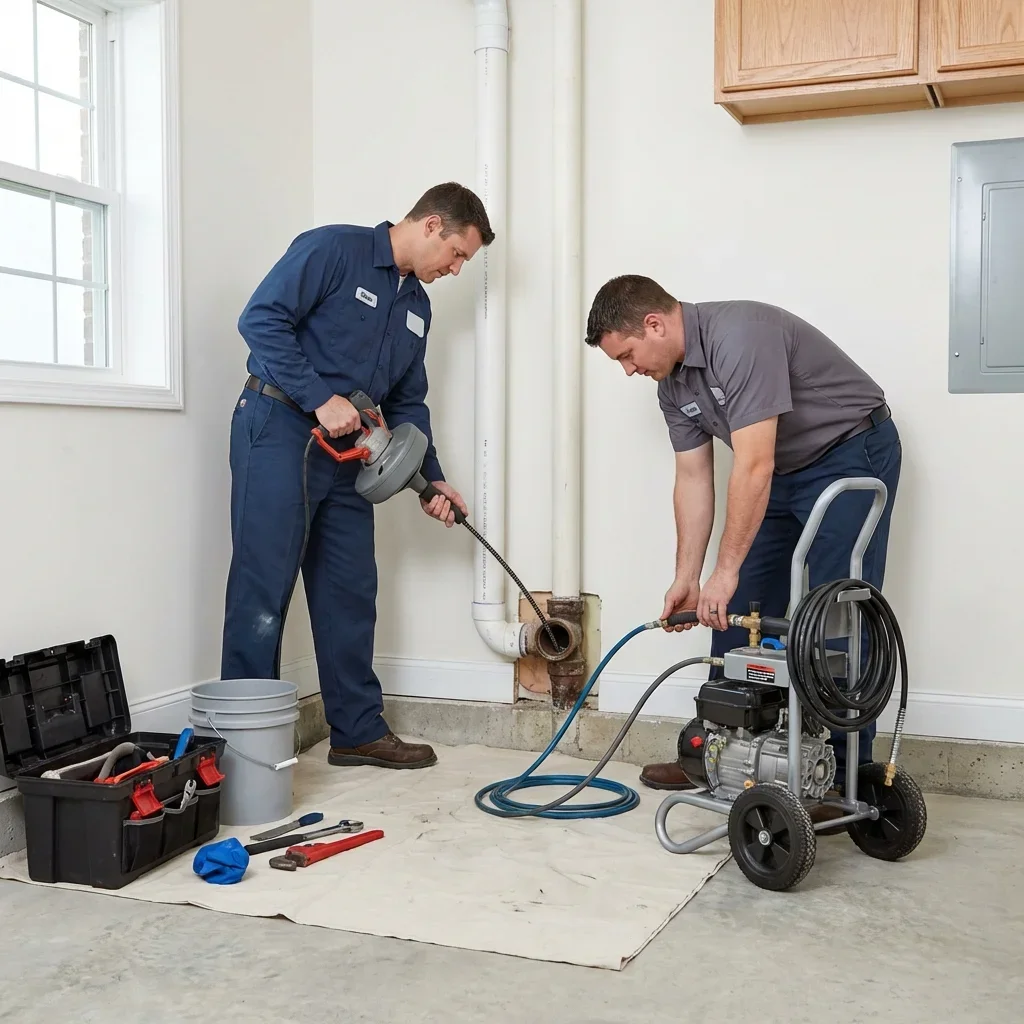
Standing water that won't drain after plunging and snaking requires professional equipment. A hydro jetting service uses high-pressure water to scour the inside of the pipe, removing scale, grease, and tree roots. It's more effective than snaking and clears the full diameter of the pipe, not just a narrow pathway.
Recurring clogs in the same fixture every few weeks suggest either an incomplete previous clearing or a pipe defect. Tree roots infiltrating a cracked sewer line, a bellied section of pipe where debris collects, or severe scale buildup all require sewer camera inspection to diagnose accurately.
What Professional Drain Cleaning Includes
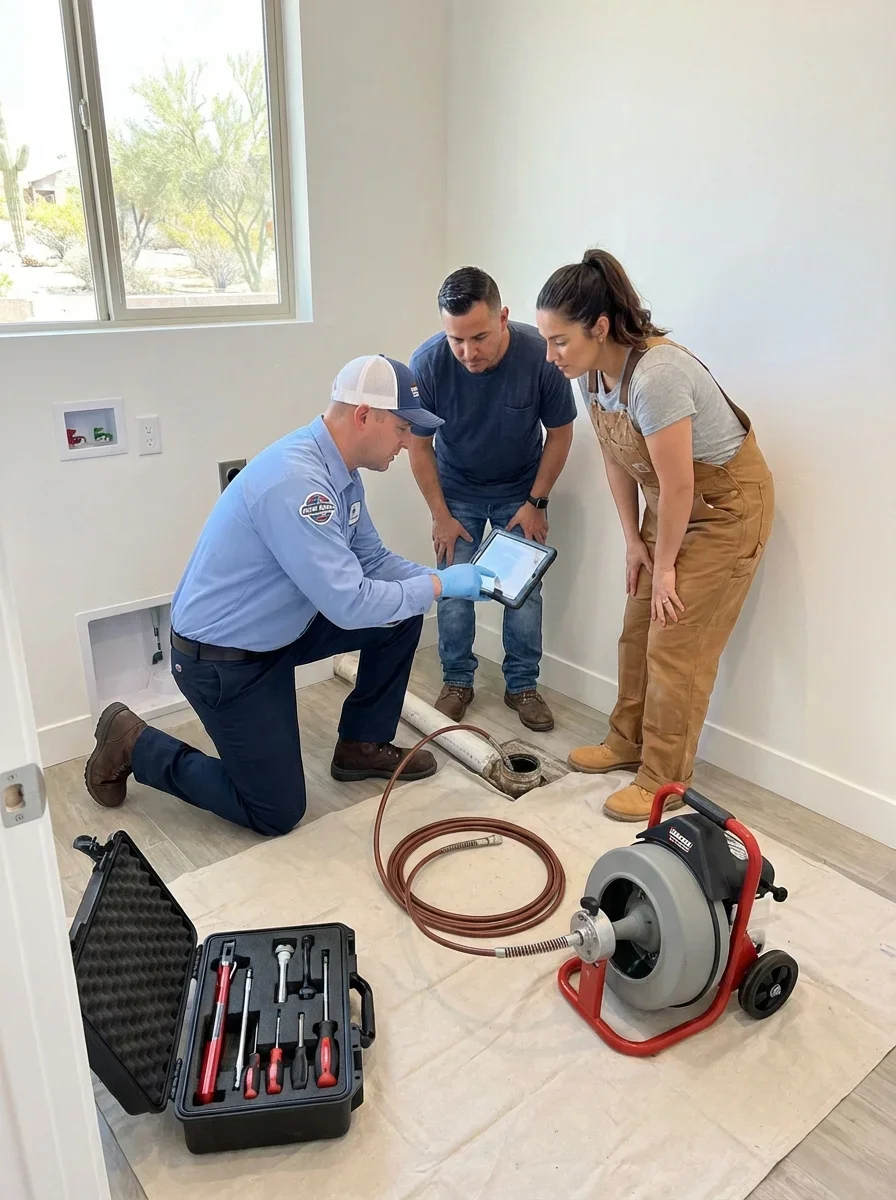
Licensed plumbers start with a visual inspection and ask about your symptoms. They'll check multiple fixtures to determine whether it's a single drain or a main line issue.
ROC-licensed contractors in Arizona carry liability insurance and are bonded (verify at roc.az.gov before hiring).
Camera inspection shows exactly what's inside your pipes. A waterproof camera feeds through your drain line and displays real-time video of cracks, roots, scale buildup, or foreign objects. You'll see the problem yourself before the plumber quotes a fix.
Hydro jetting uses 3,000-4,000 PSI water pressure to scour pipe walls clean. It's particularly effective in Arizona because it removes the hard water scale that snaking leaves behind. A thorough jetting costs more than snaking ($350-600 versus $150-250), but it lasts years instead of months.
Seasonal Considerations in Phoenix
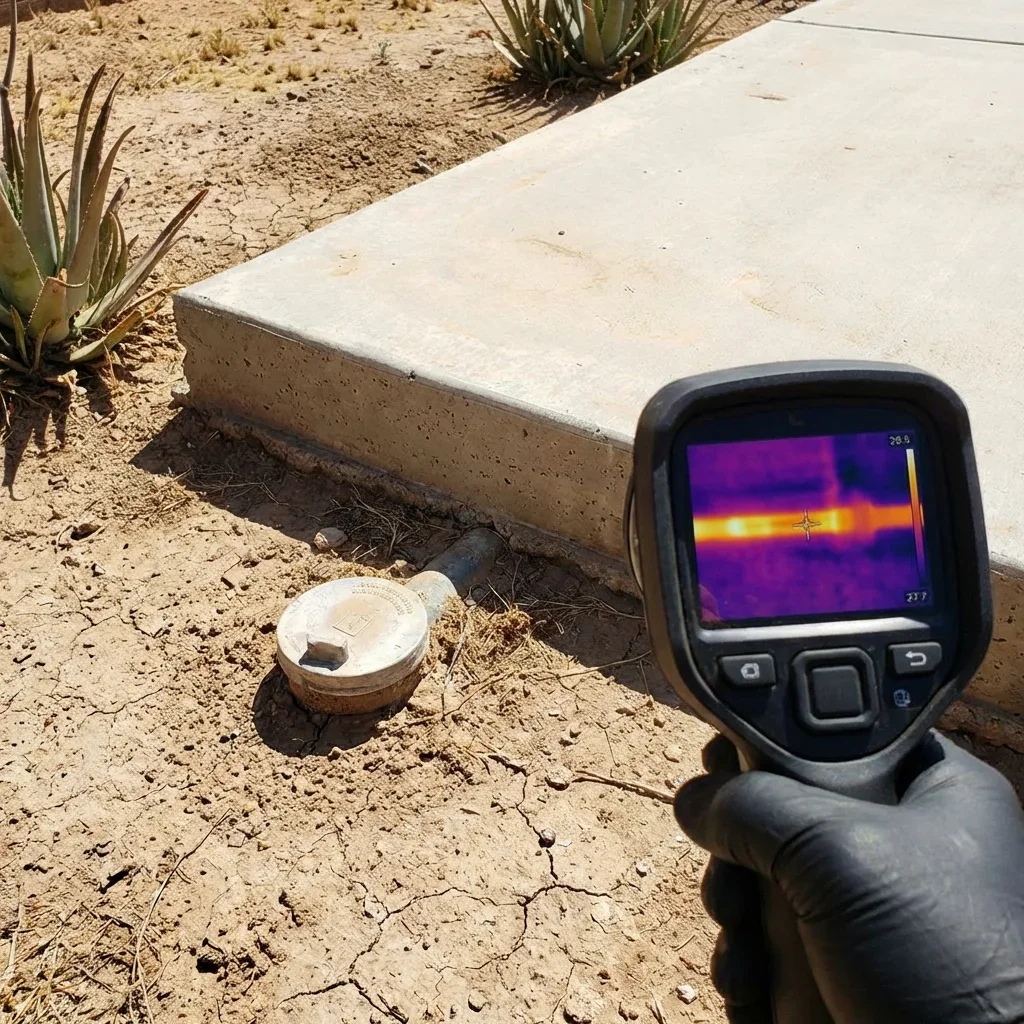
Summer heat affects your plumbing in ways most homeowners don't connect to drain health. Slab-on-grade construction means your drain lines run under or through the concrete foundation, where ground temperatures hit 90-100°F in July and August.
Grease solidifies at a higher temperature in winter and stays liquid longer in summer. That means summer grease travels further down your drain line before it cools and hardens, potentially creating clogs deeper in your system where they're harder to clear.
You'd think winter would be worse for grease clogs, but summer heat just relocates the problem.
Monsoon season (July-September) brings occasional heavy rain that can flood ground-level cleanouts or fill older clay sewer lines with silt. Homes in older Phoenix neighborhoods with clay or Orangeburg sewer lines sometimes see backups after storms when groundwater infiltrates cracked pipes.
Thermal expansion and contraction stress pipe joints. Copper supply lines expand and contract with temperature swings, and while that primarily affects slab leak risk, it also creates micro-movement at drain connections. Over decades, those connections can separate slightly, creating catch points where debris accumulates.
The Real Cost of Ignoring Slow Drains
A slow drain isn't an emergency, so homeowners postpone dealing with it.
That $150 drain cleaning becomes a $800 main line hydro jetting six months later when the slow drain becomes a full backup.
Standing water in your pipes creates an environment for bacteria growth. That's where drain odors come from — not the clog itself, but the organic material decomposing in stagnant water. The smell is a signal that you're past the prevention stage.
Chronic standing water can also leak at joints and connections. Drain lines aren't pressurized like supply lines, but they're not designed to hold water 24/7 either. A bathtub that drains slowly for months puts constant weight on the trap and drain assembly, sometimes causing leaks that damage subflooring or drywall in the room below (or the slab, in single-story Arizona homes).
Emergency calls cost 50-100% more than scheduled service. The plumber who charges $175 for a weekday morning visit charges $300-400 for the same work at 9 PM on a Sunday.
Prevent the clog and you avoid the emergency rate.
Pro Tip: A slow-draining fixture that you ignore for 6 months doesn't just get worse — it gets exponentially more expensive. What starts as a $150 drain cleaning can escalate to $800+ for main line hydro jetting, plus potential water damage repairs. The cost of prevention is always lower than the cost of procrastination.
Prevention Is Cheaper Than Repair
Drain maintenance costs almost nothing. A $6 mesh screen, 90 seconds of monthly pop-up cleaning, and smarter disposal habits prevent 85% of household clogs. Compare that to the $200-400 average cost of a professional drain cleaning service.
Your drains are designed to handle water, not waste storage. Everything else you send down — hair, grease, food, soap scum — is working against the system.
The homeowners who never call for drain cleaning aren't lucky. They're the ones who scrape plates, use drain screens, and flush with hot water monthly.
Arizona's hard water means you're starting from a disadvantage. Your pipes accumulate scale faster than homes in Seattle or Atlanta. You can't change the water chemistry (without a whole-house softener), but you can control what else goes into your drains.
The clogs you prevent are the ones you never pay for. That's the real return on these habits — not avoiding an inconvenience, but avoiding a $500 bill and a wet floor.