What Drives Repiping Costs in Phoenix
Your final price depends on three primary factors: the size of your home measured in fixture count, the pipe material you choose, and how difficult it is to reach your existing plumbing. A 1,500-square-foot home with eight fixtures (two bathrooms, kitchen, laundry) averages $6,500 to $9,000 for PEX repiping with moderate access. That same square footage with copper replacement can add $3,000 to $5,000 due to material and labor costs.
Phoenix's slab-on-grade construction complicates access. Most homes built before 2000 have copper supply lines running under the concrete slab. That means either jackhammering to expose pipes or abandoning old lines and running new ones through attics and walls. The latter approach (called an "overhead repipe") costs 15-20% more in labor but avoids breaking concrete and reduces disruption.
Caliche soil is a problem too. This calcium carbonate hardpan layer sits 1-6 feet below grade across the Valley. It makes excavation for exterior lines 2-3 times more expensive than normal soil. If your project requires trenching for yard lines or laterals, contractors will factor in specialized equipment and additional labor hours.
Average Repiping Costs by Home Size
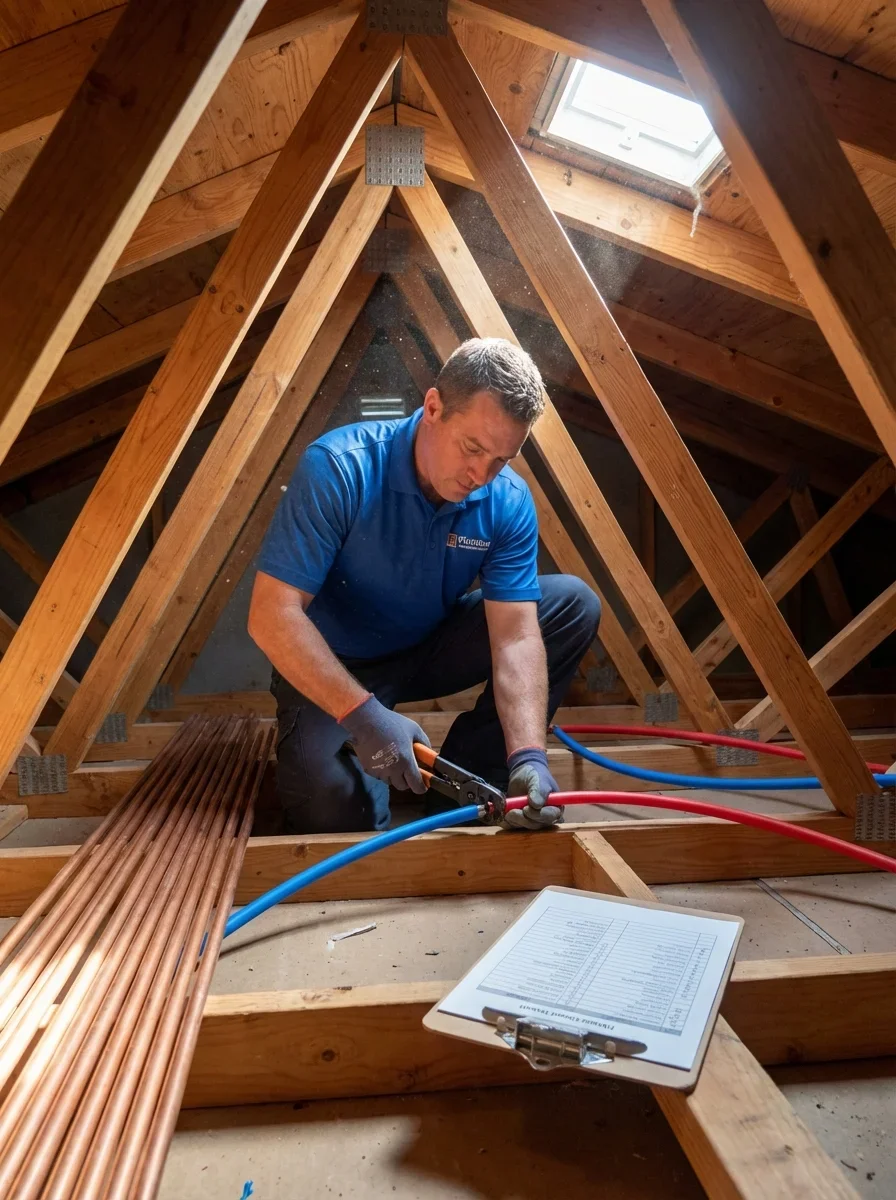
Small homes (1,000-1,500 sq ft, 6-10 fixtures) typically cost $4,500 to $8,000 for PEX repiping or $7,000 to $11,000 for copper. These are usually single-story ranch homes or small two-bedroom condos with straightforward layouts.
Medium homes (1,500-2,200 sq ft, 10-14 fixtures) run $7,000 to $12,000 for PEX and $10,000 to $16,000 for copper. Two-story construction adds complexity. Vertical runs through walls and harder-to-reach second-floor fixtures push labor hours higher.
Large homes (2,200+ sq ft, 14+ fixtures) start at $10,000 and routinely exceed $18,000. This is especially true if the home includes multiple HVAC zones, a pool with outdoor plumbing, or a finished basement (rare in Phoenix but present in some custom builds). Homes with three or more bathrooms require larger trunk lines and more fixture tie-ins, which compounds labor costs even when using PEX.
| Home Size | Fixture Count | PEX Repiping Cost | Copper Repiping Cost | Typical Timeline |
|---|---|---|---|---|
| Small (1,000-1,500 sq ft) | 6-10 fixtures | $4,500 - $8,000 | $7,000 - $11,000 | 2-3 days |
| Medium (1,500-2,200 sq ft) | 10-14 fixtures | $7,000 - $12,000 | $10,000 - $16,000 | 3-4 days |
| Large (2,200+ sq ft) | 14+ fixtures | $10,000 - $18,000+ | $15,000 - $25,000+ | 4-6 days |
PEX vs. Copper Material Costs
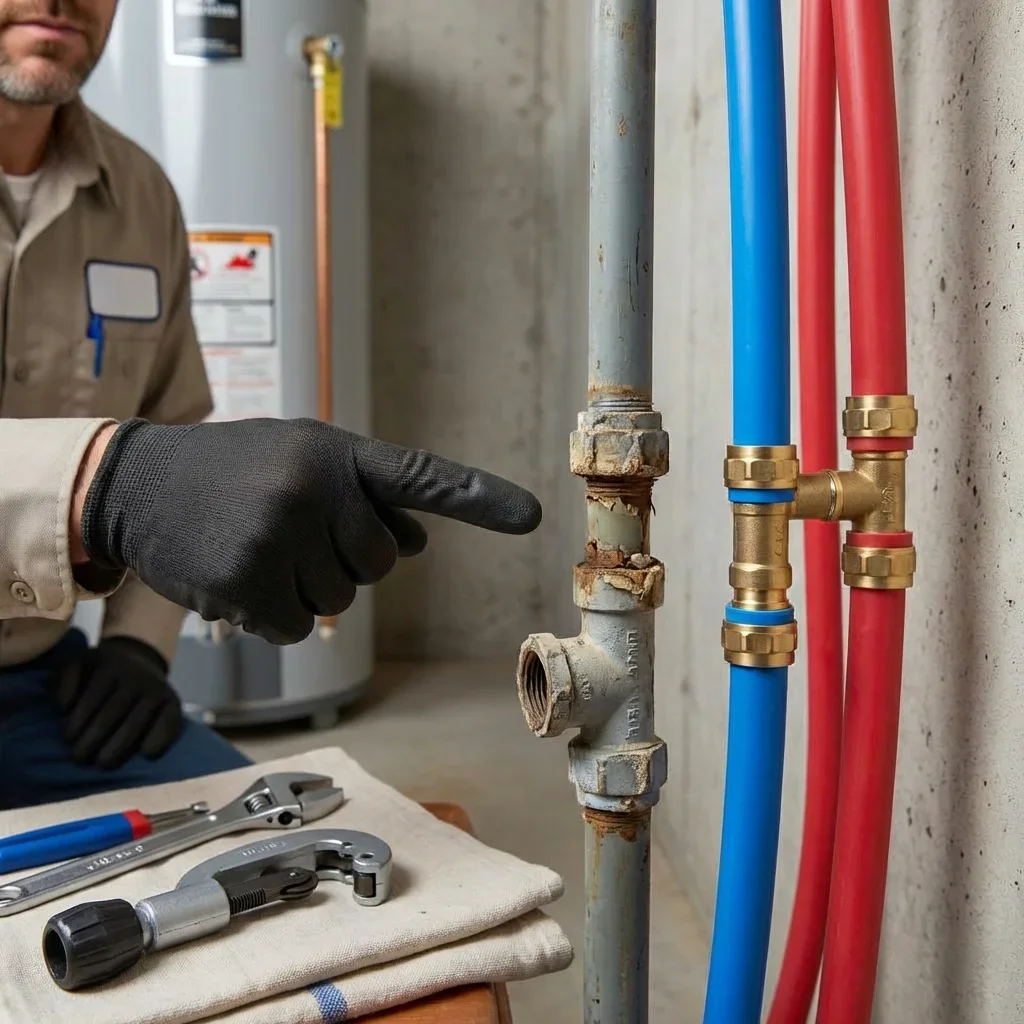
PEX (cross-linked polyethylene) costs $0.50 to $2.00 per linear foot for materials. It's become the standard for Phoenix repipes since the early 2000s. It resists Phoenix's hard water better than copper, doesn't corrode from acidic or alkaline conditions, and installs faster due to flexible runs that require fewer fittings. A full-home PEX repipe might use 300-500 linear feet of pipe, totaling $150 to $1,000 in materials alone.
Copper costs $3.00 to $8.00 per linear foot and requires sweating joints, which adds labor time. Type L copper (thicker walls, more durable) is standard for residential work under the Arizona Residential Plumbing Code[3]. Some contractors offer Type M for slightly lower cost. Copper's longevity appeal is undercut in Phoenix by hard water. Pinhole leaks from mineral corrosion appear in many copper systems after just 15-20 years, well short of copper's theoretical 50-year lifespan.
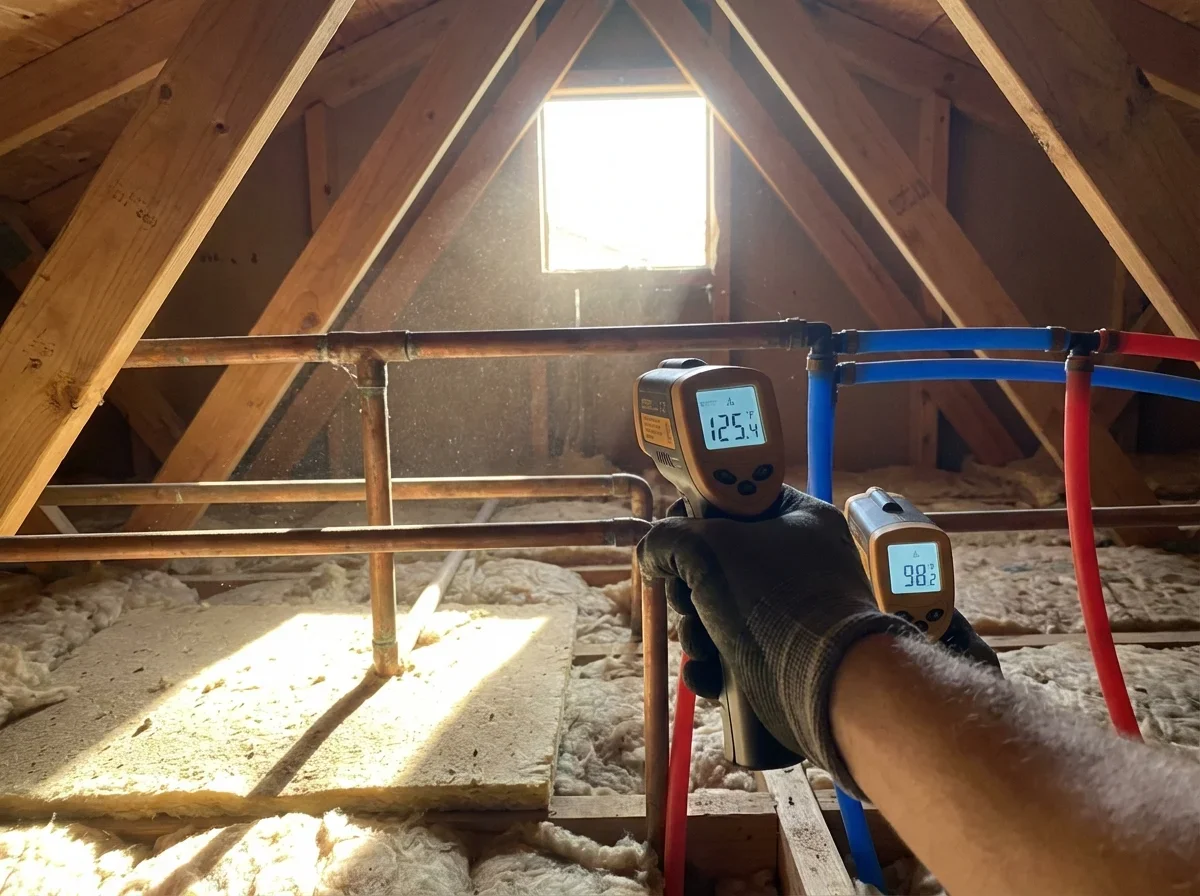
CPVC is occasionally used for budget-conscious projects and costs $0.40 to $1.50 per linear foot, but it's fallen out of favor. Phoenix's extreme heat poses a problem. Attic temperatures routinely hit 150°F in summer, which can make CPVC brittle over time. Most ROC-licensed contractors recommend PEX or copper exclusively.
Labor Costs and Installation Factors
Labor accounts for 60-70% of total repiping cost in Phoenix.
Licensed plumbing contractors charge $75 to $150 per hour depending on crew size and project complexity. A straightforward PEX repipe with overhead routing in a 1,800-square-foot home might take 2-3 days (16-24 labor hours per plumber). Slab work requiring concrete cutting can stretch to 4-5 days.
Accessing pipes drives hourly totals. If your supply lines run through walls or attics, contractors cut small access panels, run new lines, and patch drywall. Plan on $500 to $1,200 for drywall repair and repainting as a separate line item. Slab access requires cutting concrete with a jackhammer or concrete saw, removing old pipe, pouring new concrete, and patching flooring. That adds $2,000 to $4,000 in hard costs before you touch plumbing.
Two-story homes cost more per fixture than single-story layouts. Vertical runs require additional fittings, wall penetrations, and ladder work. Expect a 20-30% labor premium for second-story fixture connections compared to ground-level runs.
Permits, Inspections, and Code Compliance
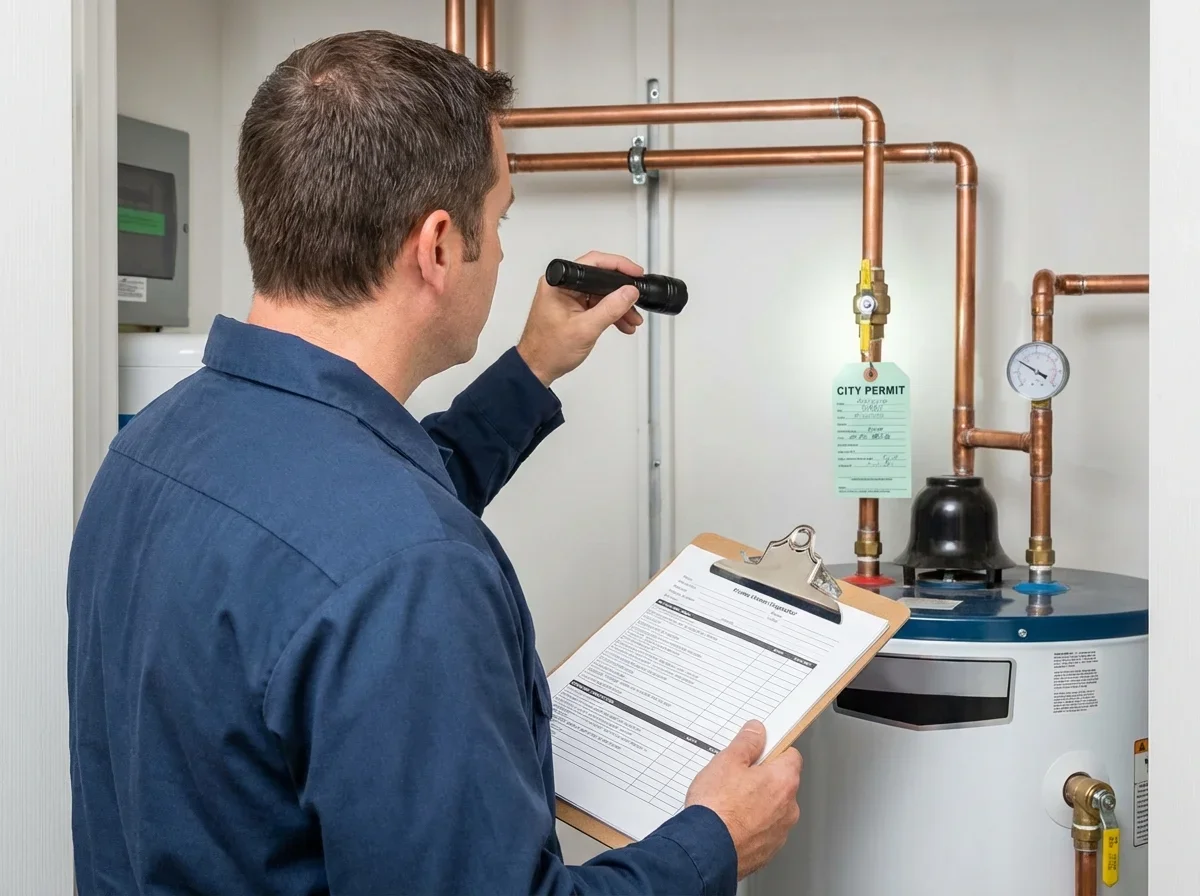
Phoenix requires a plumbing permit for whole-home repiping. The base fee is $150 through the City of Phoenix Planning & Development Department[1]. Permit costs scale with project scope. Larger homes or complex layouts may incur additional review fees. Your contractor pulls the permit as part of the project. If they don't, you're working with an unlicensed operator.
The city adopts the International Plumbing Code with amendments requiring inspections before covering any new plumbing work[2]. Inspections verify proper pipe sizing, fitting installation, and pressure testing. Most contractors schedule two inspections: a rough-in inspection before closing walls or pouring concrete, and a final inspection after fixtures are connected.
Only Arizona Registrar of Contractors (ROC) licensed plumbers holding a CR-31 (Residential Plumbing Contractor) or CR-33 (Dual Residential/Commercial) license can legally pull permits for repiping[4].
Verify your contractor's license at roc.az.gov before signing any contract. Unlicensed work voids insurance coverage, complicates home sales, and leaves you liable for code violations.
Additional Costs to Budget For
Drywall and flooring repair aren't included in most repiping quotes. Budget $500 to $2,000 depending on access points and finishes. If contractors cut tile or hardwood to reach slab lines, matching replacement flooring can add $1,000+.
Water heater connections often need updating during a repipe, especially if you're converting from copper to PEX or vice versa. Expect $200 to $500 for new shut-off valves, expansion tanks, or flex lines to meet current code. Older water heaters may not comply with current venting or TPR valve requirements, triggering a forced upgrade. See our water heater replacement cost guide for planning.
Fixture replacement isn't mandatory but common. Once walls are open, many homeowners upgrade corroded shut-off valves ($15-$30 each), replace old galvanized nipples, or install new faucets. Factor $300 to $800 if you're planning fixture upgrades during the repipe.
Pressure testing is standard but sometimes listed as a separate line item at $150 to $300. This verifies no leaks exist in the new system before closing walls. It's required by code, so don't skip it even if a contractor offers to.
Hidden Repiping Costs to Include in Your Budget:
- Drywall repair and repainting: $500 - $2,000
- Flooring replacement (tile/hardwood matching): $1,000+
- Water heater connection upgrades: $200 - $500
- Fixture valve replacements: $15 - $30 each
- Pressure testing (if separate): $150 - $300
- Caliche soil excavation premium: $30 - $60 extra per linear foot
- Concrete cutting and patching: $2,000 - $4,000
Phoenix-Specific Cost Factors
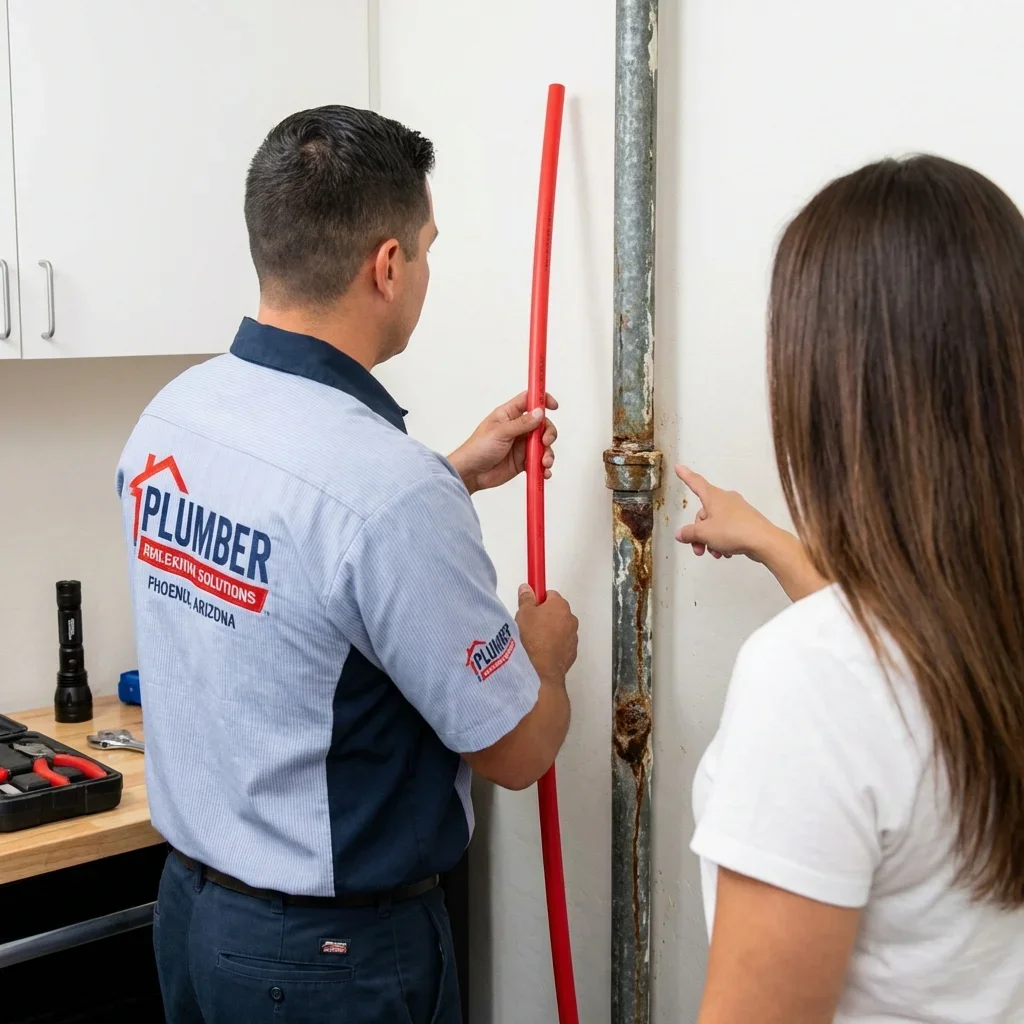
Hard water accelerates copper corrosion and leaves mineral deposits inside pipes, reducing effective diameter over time. Phoenix municipal water averages 300+ ppm calcium carbonate, among the hardest in the Southwest. If you're repiping due to pinhole leaks or low water pressure from buildup, expect contractors to recommend PEX to prevent recurrence. Some include a water softener consultation. See our water softener and filtration services page if mineral control is a priority.
Slab leaks are the #1 driver of Phoenix repipes.
Thermal expansion from 110°F summer days cycling to 70°F nights stresses copper pipes embedded in concrete, creating pinhole leaks that saturate the slab and foundation. Repairing a single slab leak costs $1,500 to $4,000 (see our slab leak repair cost guide). But if a camera inspection shows multiple weak points, whole-home repiping becomes the better investment.
Caliche soil increases excavation costs if your project includes yard lines, hose bibs, or pool plumbing. Contractors charge $50 to $100 per linear foot for trenching through caliche versus $20 to $40 in normal soil. Expect higher quotes if your landscape or driveway requires cutting through this hardpan layer.
How to Get Accurate Quotes
Request itemized estimates from at least three ROC-licensed contractors. The estimate should break out labor, materials, permits, and any demolition or repair separately. Flat "per fixture" pricing ($400-$700 per fixture) is common but can obscure costs if your layout is complex.
Ask whether the quote includes drywall patching and painting, or if that's a separate charge. Some contractors subcontract drywall work, others include it. Clarity now prevents surprise bills later.
Confirm the pipe material and brand in writing. Not all PEX is equal. Uponor (formerly Wirsbo) and SharkBite are premium brands with strong warranties. Budget PEX can develop issues with UV exposure or chlorine resistance. Copper quotes should specify Type L thickness and solder type (lead-free is required).
Verify the timeline and how long your water will be off each day. Most repipes require shutting water during installation, typically 4-8 hours per day. Multi-day projects may include temporary water restoration each evening, which adds labor time but keeps your home functional.
When Repiping Makes Sense vs. Spot Repairs
Repiping the whole house makes financial sense when you have multiple leaks, pervasive low water pressure, or visible corrosion at fixtures.
If a sewer camera inspection or leak detection scan reveals widespread damage, repiping prevents the cycle of recurring $1,500 spot repairs every 12-18 months.
Spot repairs work for isolated leaks in otherwise healthy systems. A single slab leak under the guest bathroom doesn't justify $10,000 if the rest of your copper is clean. But if your home was built in the 1970s or 1980s with original copper and Phoenix's hard water has been attacking it for 40+ years, repiping is the permanent fix.
Polybutylene (PB) pipe, installed in many Phoenix homes from 1978 to 1995, fails at high rates and justifies immediate repiping. See our polybutylene pipe guide for failure patterns and insurance implications.
Pro Tip: If you've had two or more slab leaks within three years, whole-home repiping typically becomes cheaper than continuing spot repairs. The third leak often triggers insurance non-renewal or plumbing exclusions, making repiping both a financial and coverage protection strategy.
Financing and ROI Considerations
Many Phoenix plumbing contractors offer financing through third-party lenders at 0-12% APR for 12-60 months. A $10,000 repipe financed at 6% for 36 months costs $305/month. That's manageable compared to emergency repairs every few months.
Repiping doesn't typically increase home value dollar-for-dollar, but it removes a major red flag for buyers. Homes with known plumbing issues or polybutylene pipe sit on the market longer and sell for 3-5% less than comparable properties. Updated plumbing signals deferred maintenance is handled, smoothing sales and appraisals.
Insurance claims for slab leaks often cover only the leak repair, not the underlying pipe defect. If you've filed multiple claims, insurers may non-renew your policy or exclude future plumbing coverage. Repiping protects your insurability and prevents the claim history that drives premium increases.
Choosing Between Overhead and Slab Routing
Overhead repiping routes new PEX through attics, down interior walls, and under sinks, abandoning old slab lines in place. This approach costs 15-20% more in labor (more wall penetrations, longer runs, additional fittings) but avoids jackhammering concrete. It's the standard method for two-story homes and homes where flooring damage would be costly.
Slab re-routing replaces pipes in the same location. That means cutting concrete, removing old copper, laying new PEX or copper, and patching. This is cheaper for single-story homes with tile or inexpensive flooring but disruptive. Expect 3-5 days of noise, dust, and limited access to affected rooms.
Hybrid approaches combine both: replace problem slab sections where leaks exist, run overhead for the rest. This balances cost and disruption but requires skilled planning to ensure proper pressure and flow throughout the system.
Questions to Ask Before Signing a Contract
How long have you held your ROC license, and what's your license number? Cross-reference at roc.az.gov to verify active status and check for complaints or disciplinary action.
What's included in your warranty? Material warranties (PEX manufacturers typically offer 25-year coverage) differ from labor warranties (1-2 years is standard). Get both in writing.
Will you provide proof of insurance? Arizona doesn't require contractors to carry workers comp, but general liability insurance protects you if damage occurs. Ask for a certificate of insurance naming you as an additional insured.
How will you protect my home during the work? Dust barriers, floor protection, and daily cleanup should be standard. Repiping is messy. Confirm their process for minimizing damage to finished surfaces.
Avoiding Common Pitfalls
Don't choose the lowest bid by default. A quote $3,000 under competitors may signal unlicensed labor, inferior materials, or missing scope like permits and inspections. Ask what's excluded from suspiciously low quotes.
Avoid contractors who pressure immediate decisions or offer "today only" discounts. Legitimate repiping requires careful assessment. Any contractor quoting over the phone without seeing your home is guessing.
Never pay the full amount upfront. Standard payment schedules are 10-20% deposit, 40-50% at rough-in inspection, and the balance upon final inspection and completion. Large upfront payments leave you with no leverage if work stalls or quality suffers.
Confirm the contractor will handle all permits and inspections. If they ask you to pull permits or suggest skipping inspections to save money, you're dealing with someone willing to cut corners that will cost you during resale or insurance claims.
Frequently Asked Questions
- City of Phoenix Planning & Development Department. "Plumbing Permit Fees." https://www.phoenix.gov/pdd/sites/default/files/planning_development_documents/PDDSiteReviewFeeSchedule.pdf. Accessed April 07, 2026.
- City of Phoenix (via UpCodes, adopting IPC/IRC). "Residential Plumbing Code." https://up.codes/viewer/phoenix/2021-uppc-irc-2018/chapter/3/general-regulations#3. Accessed April 07, 2026.
- Arizona Department of Housing. "Arizona Residential Plumbing Code." https://housing.az.gov/sites/default/files/2021-06/Arizona_Residential_Plumbing_Code_2018.pdf. Accessed April 07, 2026.
- Arizona Registrar of Contractors. "Plumbing Contractors Licensing Requirements." https://roc.az.gov/sites/default/files/2020-11/PLB-1123_License_App_Contractor.pdf. Accessed April 07, 2026.
- University of Arizona Cooperative Extension. "Water Pipe Sizing and Material Standards." https://extension.arizona.edu/sites/extension.arizona.edu/files/pubs/az1492-2015.pdf. Accessed April 07, 2026.